The Length Of Time Do Peptides Last After Reconstitution Ideal Choices 3 Months To 5 Years
How Long Do Peptides Last After Reconstitution Ideal Choices 3 Months To 5 Years
One to 2 minutes at space temperature level prior to reconstitution prevents this problem. The physical form of your peptide figures out for how long it will last in the refrigerator. Lyophilized powders and reconstituted remedies have considerably different security accounts, also under identical refrigeration problems. Understanding these distinctions prevents both premature disposal of great item and use degraded product. Every 10 ° C temperature level decrease about halves the price of the majority of chemical deterioration responses.with the day of prep work. Throw out reconstituted peptides that surpass proper storage home windows regardless of remaining quantity. Also effectively refrigerated peptides can break down in time or from handling mistakes. Acknowledging destruction indications prevents using endangered item and wasting time on inadequate methods. Regular examination needs to belong to your peptide monitoring regimen. Each elimination from the fridge subjects the vial to temperature level adjustment and prospective contamination. Arrange storage to enable quick gain access to without relocating several vials. Selank and anxiety-focused peptides preserve common chilled stability. KPV for gut health applications likewise needs correct cold store. Semaglutide appreciates improved stability from its architectural adjustments.
From that factor onward, every choice you make about temperature, containers, light exposure, and handling method either protects or damages what you spent for. Each time you open up a peptide vial, you subject the materials to ambient air, light, and humidity. Collective direct exposure from repeated access can increase deterioration. Check out the powder for staining (yellowing or browning), clumping, or stickiness.Usual Storage Space Mistakes That Mess Up Peptides
- The effectiveness of tirzepatide in promoting weight reduction among non-diabetic individuals is a crucial location of research study.
- It is long sufficient to avoid the problem of exchanging vials each day or two.
- The amino acid sequence identifies susceptability to specific deterioration pathways, implying some peptides call for more careful storage than others.
- However, constant refrigerator access might expose peptides to extra light than anticipated.
- The asparagine-glycine sequence creates a cyclic imide intermediate that can hydrolyze right into either aspartate or iso-aspartate, basically changing the peptide structure.
It is long sufficient to avoid the headache of swapping vials every day or two. Yet it is brief sufficient that each aliquot just gets punctured 5 to seven times and invests much less than a week in the rising and falling atmosphere of an energetic refrigerator. The price of deamidation depends greatly on the neighboring amino acids. Asparagine adhered to by glycine (Asn-Gly) is the fastest-deamidating sequence understood. Check over here Asparagine followed by bigger amino acids deamidates much more gradually due to the fact that the larger side chains sterically hinder the cyclization reaction that MOTS-c drives deamidation. At greater pH levels, cysteine can form disulfide bonds with other cysteine deposits in the very same peptide or perhaps in bordering peptide particles.

Light Security
May your peptides stay powerful, your storage space stay optimal, and your methods stay effective. Amber glass is preferable due to the fact that it obstructs UV and visible light that trigger photodegradation. If your vials are clear glass, cover them in light weight aluminum foil to achieve the same protection. Either approach works as lengthy as constant light stopping is maintained. For scientists taking care of numerous compounds, an arranged supply system avoids waste from failed to remember or run out supply.
Does It Matter What Water I Utilize For Reconstitution?
This artificial peptide is a laboratory-made compound derived from a healthy protein discovered in human stomach juice. Its structure consists of a fifteen amino acid oligopeptide, making it a tiny molecule with a potent influence on various biological procedures. Research study into BPC-157 recommends an encouraging role in accelerating cells repair service, reducing inflammation, and supporting the body's all-natural healing mechanisms. Lyophilized peptides stored at -20 C or listed below in their initial covered vials can last for many years. Some producers report stability of 5 years or even more at -80 C. This means you can safely stock a number of months of study supply without bothering with destruction, as long as the powder continues to be dry and sealed.
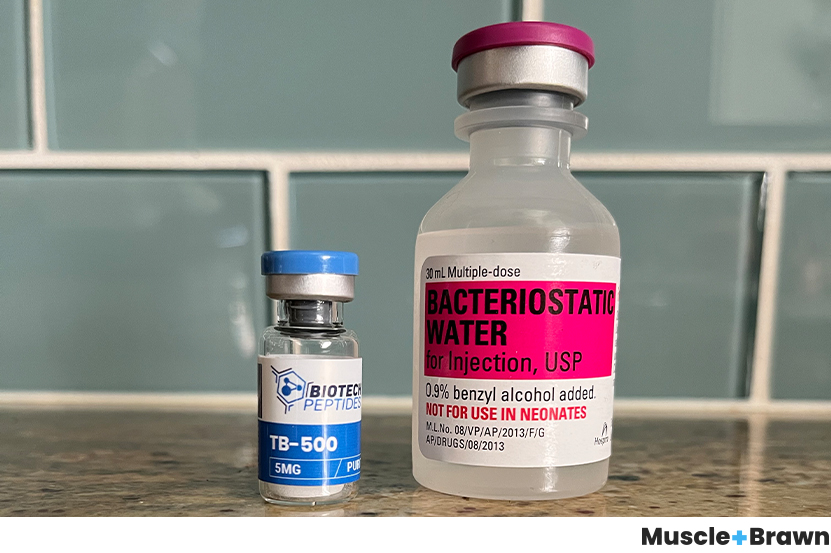
Every time you open up the refrigerator, the door experiences the largest temperature swing. Those changes anxiety peptide bonds and speed up deterioration. The lower rack near the back has a tendency to be chilliest however can sometimes approach freezing, which produces its own issues. The difference between a researcher that obtains consistent, powerful outcomes across a complete procedure and one that sees lessening effects by week three commonly boils down to storage space. Since a completely dosed injection of degraded peptide delivers a fraction of what it should. The GHK-Cu peptide is a copper-binding tripeptide, which copper atom includes an added dimension of instability. Copper can catalyze oxidation responses, potentially accelerating the deterioration of the peptide it is bound to and even bordering particles. If you discover any kind of cloudiness establishing during storage, aggregation might have started, and the vial should be replaced. The TB-500 dosage calculator can aid you prepare your reconstitution quantities to match your protocol size, reducing waste from expired vials.